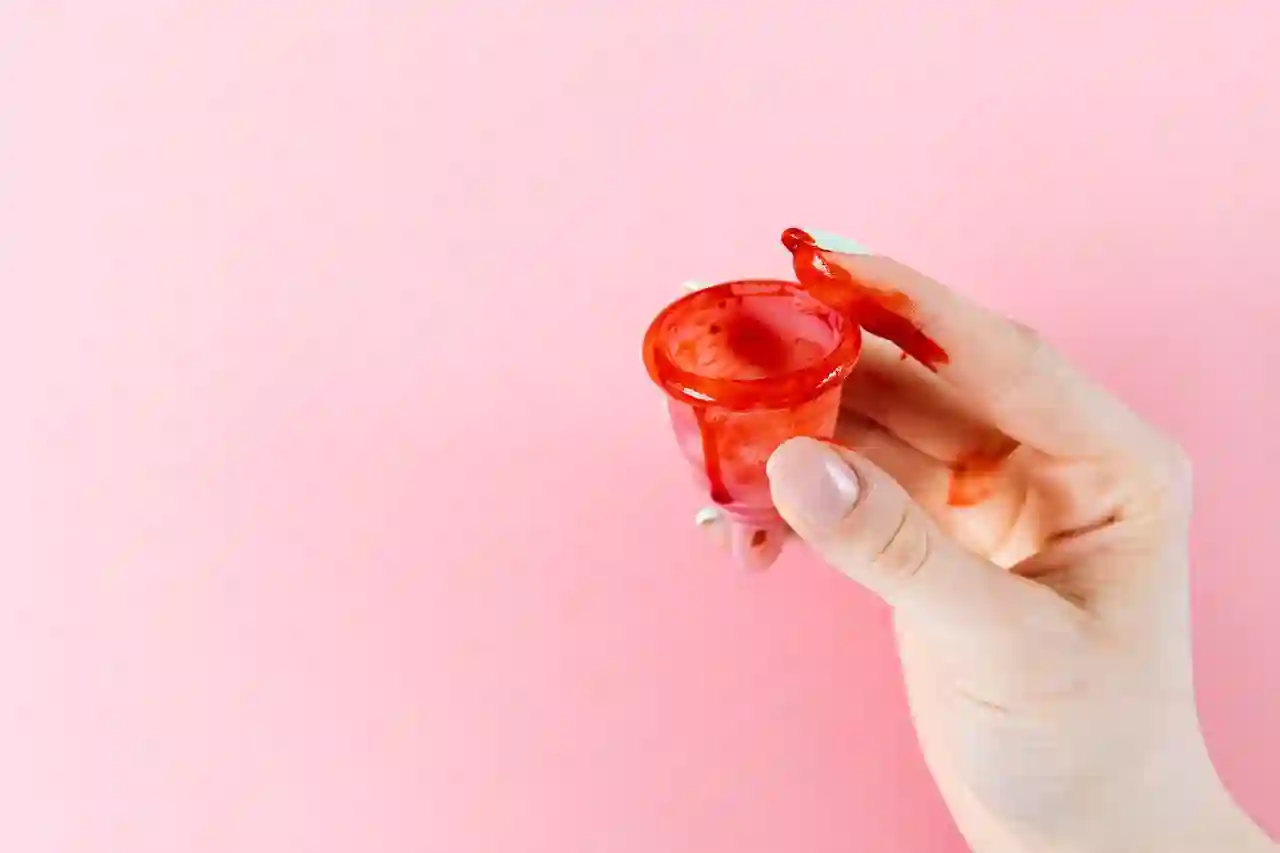
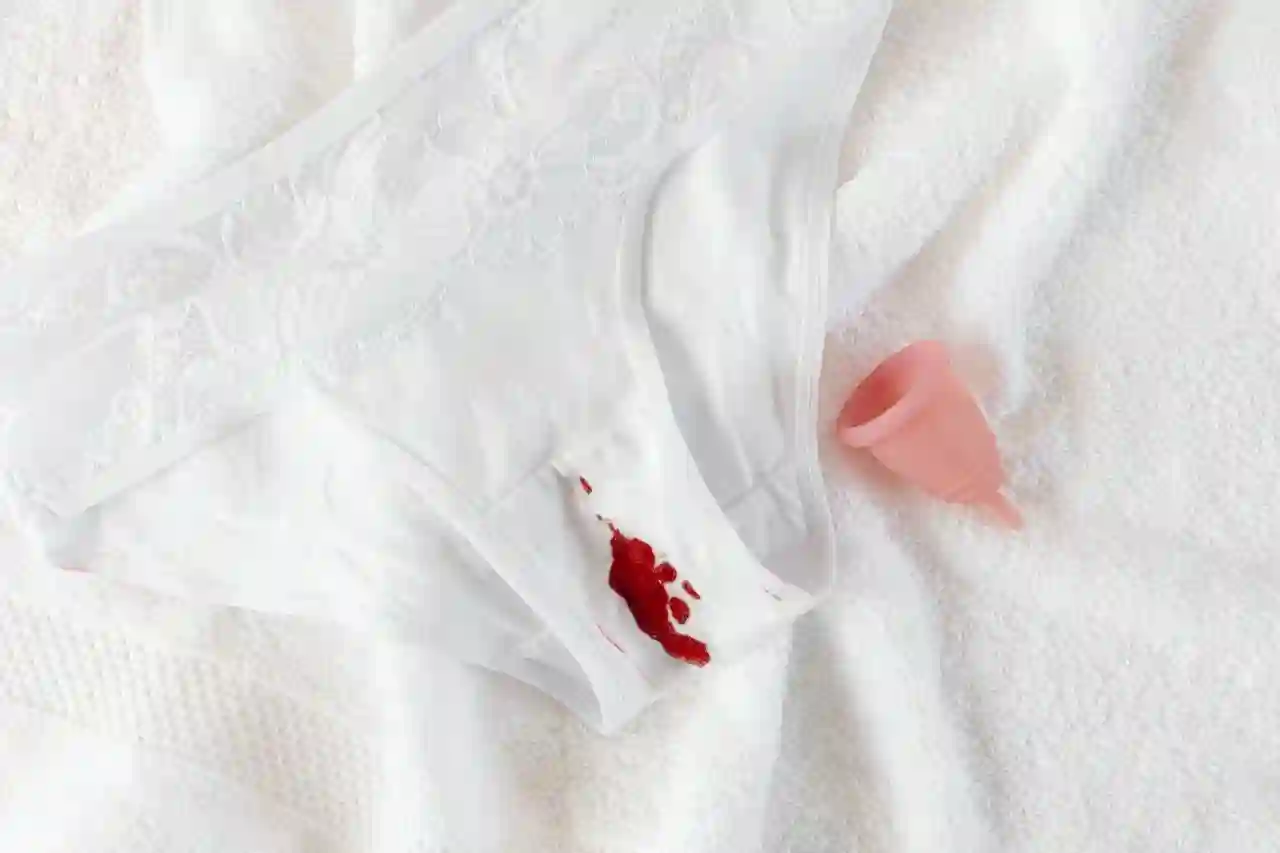
Menstrual cups have become a popular choice for people looking for a comfortable, eco friendly, and cost effective alternative to pads and tampons. One of the biggest advantages of a menstrual cup is its long lifespan. However, many users wonder How often should you replace your menstrual cup?
The answer depends on several factors, including the quality of the cup, how well it is maintained, and any signs of wear and tear. How long menstrual cups typically last, when to replace them, and how to extend their lifespan safely.
How Long Does a Menstrual Cup Last?
Most high quality menstrual cups are designed to last between 5 and 10 years when properly cared for. Medical grade silicone cups generally have the longest lifespan, while cups made from TPE (thermoplastic elastomer) or rubber may need replacement sooner. Always check the manufacturer’s recommendations, as different brands may provide specific replacement timelines.
Factors That Affect a Menstrual Cup’s Lifespan
Several factors can impact how long your menstrual cup remains safe and effective.
1. Material Quality
Medical grade silicone is highly durable and resistant to damage. Lower quality materials may degrade more quickly over time.
2. Frequency of Use
A menstrual cup used every month for many years will naturally experience more wear than one used occasionally.
3. Cleaning Methods
Proper cleaning helps maintain the cup’s integrity. Harsh chemicals, abrasive cleaners, or excessive boiling can damage the material.
4. Storage Conditions
Storing your menstrual cup in a breathable cotton pouch helps preserve its quality. Avoid airtight containers that can trap moisture.
Signs It’s Time to Replace Your Menstrual Cup
Even if your cup hasn’t reached the manufacturer’s suggested replacement date, certain signs indicate it’s time for a new one.
Discoloration
Some discoloration is normal over time. However, severe staining combined with other signs of wear may suggest replacement is needed.
Cracks or Tears
Any visible crack, tear, or split can harbor bacteria and compromise the cup’s effectiveness.
Sticky or Chalky Texture
If the cup feels sticky, tacky, brittle, or develops a chalky surface, the material may be breaking down.
Persistent Odor
A strong odor that remains even after thorough cleaning could indicate deterioration.
Loss of Shape
If the cup no longer opens properly, collapses easily, or loses its original shape, it may no longer provide reliable protection.
Irritation or Discomfort
If a cup that once felt comfortable suddenly causes irritation, discomfort, or leaks despite proper insertion, consider replacing it.
Can You Use a Menstrual Cup Longer Than 10 Years?
Some users report using their menstrual cups for longer than 10 years. However, manufacturers generally recommend replacing them according to their guidelines to ensure safety and performance. Even if a cup appears fine, regular inspections are important. Material degradation may not always be visible immediately.
How to Make Your Menstrual Cup Last Longer
Following proper care practices can maximize your menstrual cup’s lifespan.
Clean It Correctly
- Wash with mild, unscented soap and water.
- Rinse thoroughly after each use.
- Avoid harsh chemicals or antibacterial products.
Sterilize Between Cycles
Boil the cup according to the manufacturer’s instructions, usually for 5–10 minutes between menstrual cycles.
Store It Properly
- Use a breathable storage pouch.
- Keep it away from direct sunlight.
- Avoid storing it in sealed plastic containers.
Inspect Regularly
Before and after each cycle, check for,
- Cracks
- Tears
- Texture changes
- Unusual odors
- Shape distortion
Frequently Asked Questions
Do menstrual cups expire?
Unused menstrual cups do not usually have a strict expiration date, but storage conditions can affect their quality. Check manufacturer recommendations.
Can a stained menstrual cup still be used?
Yes. Mild staining is common and does not necessarily mean the cup is unsafe. However, inspect it for other signs of damage.
Is it safe to use an old menstrual cup?
If the cup remains in excellent condition without cracks, tears, odors, or texture changes, it may still be safe. Follow the manufacturer’s replacement guidelines.
What happens if I don’t replace my menstrual cup?
Using a damaged cup can increase the risk of leaks, discomfort, and bacterial growth. Regular inspection helps prevent these issues.
Knowing how often to replace your menstrual cup is important for maintaining comfort, hygiene, and effectiveness. Most menstrual cups can last between 5 and 10 years, but regular inspection is key. If you notice cracks, tears, texture changes, persistent odors, or loss of shape, it’s time for a replacement. With proper care and cleaning, your menstrual cup can provide years of reliable protection while helping you save money and reduce environmental waste.