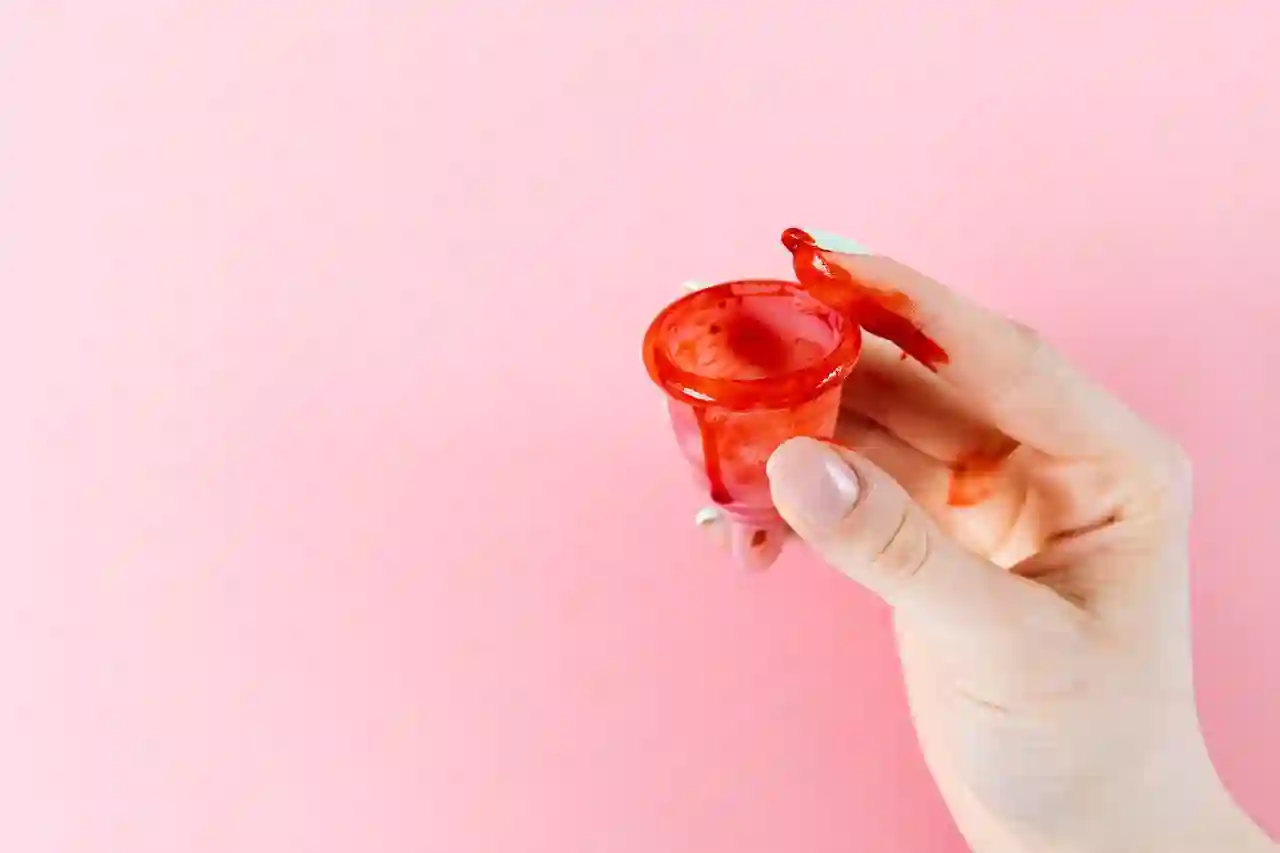

Why Does My Menstrual Cup Keep Moving? Causes, Solutions, and Prevention Tips
Menstrual cups have become a popular alternative to pads and tampons because they are reusable, eco friendly, and cost effective. However, many users experience a common issue their menstrual cup keeps moving, shifting, or feeling out of place. If you’re wondering, “Why does my menstrual cup keep moving?” you’re not alone.
The good news is that menstrual cup movement is usually easy to fix once you understand the cause. Why your menstrual cup may be moving and provide practical solutions to help you achieve a secure and comfortable fit.
Understanding How a Menstrual Cup Stays in Place
A menstrual cup sits inside the vaginal canal and creates a gentle seal against the vaginal walls. This seal helps keep the cup in position and prevents leaks. When the cup moves too much, it may indicate a sizing issue, improper placement, or natural changes in your body.
Common Reasons Your Menstrual Cup Keeps Moving
1. The Cup Size Is Incorrect
One of the most common reasons a menstrual cup moves is that it is either too small or too large for your body.
Signs Your Menstrual Cup Is Too Small
- The cup slides down frequently.
- You feel the cup near the vaginal opening.
- It leaks despite proper insertion.
Signs Your Menstrual Cup Is Too Large
- Discomfort during wear.
- Difficulty inserting or removing the cup.
- Pressure on the bladder or rectum.
Choosing the correct size based on age, childbirth history, and pelvic floor strength can significantly improve cup stability.
2. Incorrect Insertion Technique
If the cup isn’t fully opened after insertion, it may shift throughout the day.
- Fold the cup correctly.
- Insert it at an angle toward your tailbone.
- Rotate the cup gently after insertion.
- Run a finger around the base to confirm it has fully opened.
A fully opened cup creates a secure seal that helps prevent movement.
3. High or Low Cervix Position
Your cervix changes position throughout your menstrual cycle. During your period, it may sit higher or lower than usual.
High Cervix
A high cervix may cause the menstrual cup to move upward, making it harder to reach during removal.
Low Cervix
A low cervix may push the cup downward, causing discomfort or movement. Knowing your cervix height can help you choose the right cup shape and length.
4. Strong Pelvic Floor Muscles
People with strong pelvic floor muscles, especially athletes or those who exercise regularly, may notice their menstrual cup shifting position. Strong muscles can squeeze the cup and gradually move it higher or lower. In such cases, trying a firmer menstrual cup may provide better stability.
5. Weak Pelvic Floor Muscles
On the other hand, weak pelvic floor muscles may not provide enough support to keep the cup securely positioned.
- Childbirth
- Aging
- Certain medical conditions
Pelvic floor exercises, commonly known as Kegel exercises, can help improve support and reduce cup movement.
6. The Cup Shape Doesn’t Match Your Anatomy
Not all menstrual cups are designed the same way. Some are bell shaped, while others are V shaped or round. If your current cup keeps moving despite proper sizing, you may benefit from trying.
- A longer cup for a high cervix
- A shorter cup for a low cervix
- A firmer cup for active lifestyles
- A softer cup for sensitive users
Finding the right shape often makes a significant difference.
7. Physical Activity and Movement
Certain activities can temporarily affect menstrual cup placement.
- Running
- Jumping
- Heavy lifting
- Intense workouts
While a properly fitted cup should remain secure, some users may notice minor shifting during high impact activities. A firmer cup is often recommended for active individuals.
How to Stop Your Menstrual Cup from Moving
Check Your Cup Size
Review the manufacturer’s sizing guide and consider whether your current cup is appropriate for your age, flow level, and childbirth history.
Verify Proper Placement
- The cup is fully open.
- A seal has formed.
- The cup sits below the cervix.
Measure Your Cervix Height
Understanding your cervix position can help you choose a cup specifically designed for your anatomy.
Strengthen Your Pelvic Floor
Regular pelvic floor exercises can improve support and help keep the cup securely positioned.
Consider a Different Cup Design
If problems persist, try a different,
- Size
- Firmness level
- Shape
- Length
Many users need to test more than one cup before finding the perfect fit.
When Should You Be Concerned?
Cup movement is usually normal and harmless. However, consult a healthcare professional if you experience,
- Persistent pain
- Severe discomfort
- Unusual bleeding
- Difficulty removing the cup
- Frequent leaks despite correct usage
These symptoms may indicate an underlying issue that requires medical evaluation.
Frequently Asked Questions
Is it normal for a menstrual cup to move?
Yes. Minor movement is completely normal because the vaginal muscles naturally contract and relax throughout the day.
Why does my menstrual cup move higher?
A strong seal, high cervix position, or pelvic muscle contractions can cause the cup to move upward.
Why does my menstrual cup keep sliding down?
This often happens when the cup is too small, improperly inserted, or not creating a proper seal.
Can exercise make my menstrual cup move?
Intense physical activity can sometimes cause slight shifting, especially if the cup size or firmness isn’t ideal for your body.
If you’ve been asking, “Why does my menstrual cup keep moving?” the answer is usually related to cup size, insertion technique, cervix position, pelvic floor strength, or cup design. The key is finding the right combination that works for your unique anatomy. With proper sizing, correct insertion, and a little patience, you can enjoy a comfortable, leak free menstrual cup experience. Remember that it may take a few cycles to find the perfect fit, but once you do, menstrual cups can be one of the most convenient and reliable period care options available.