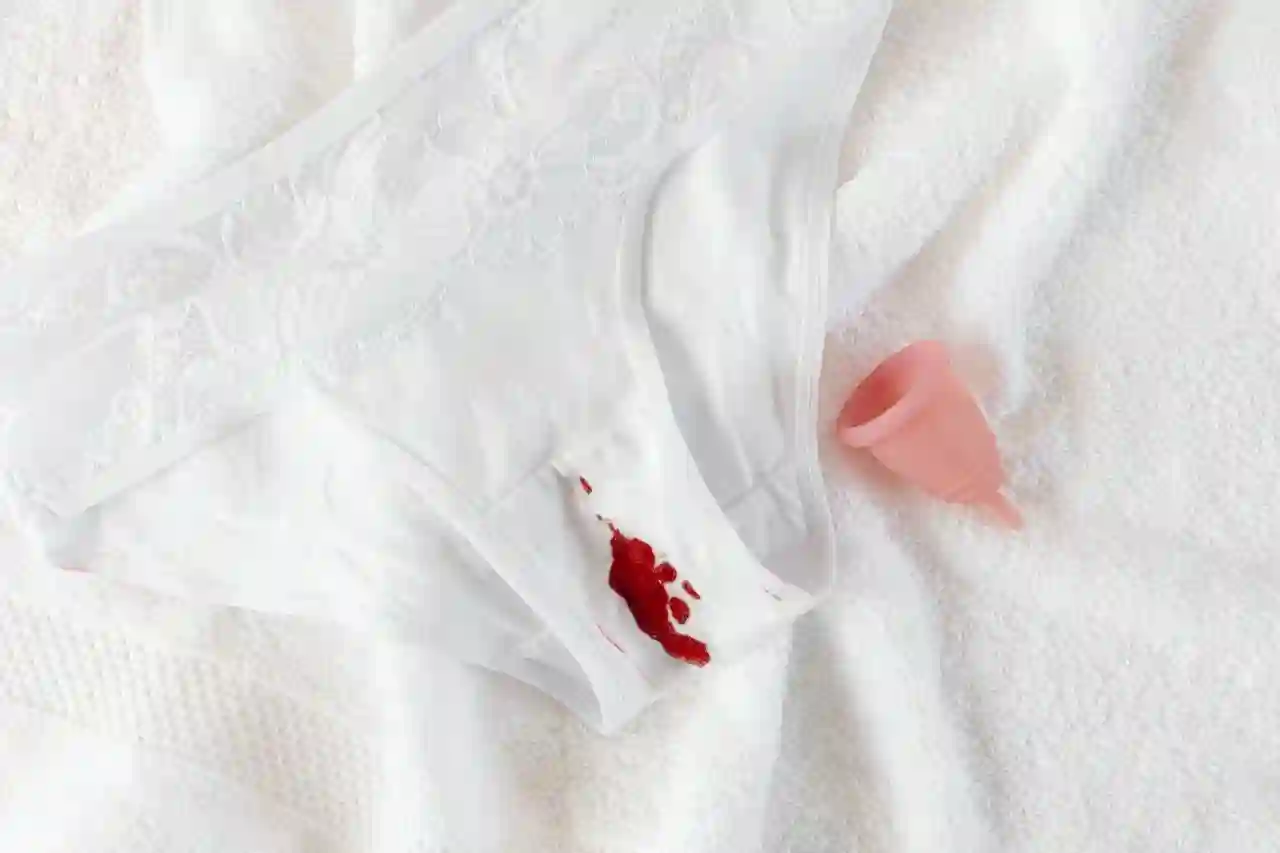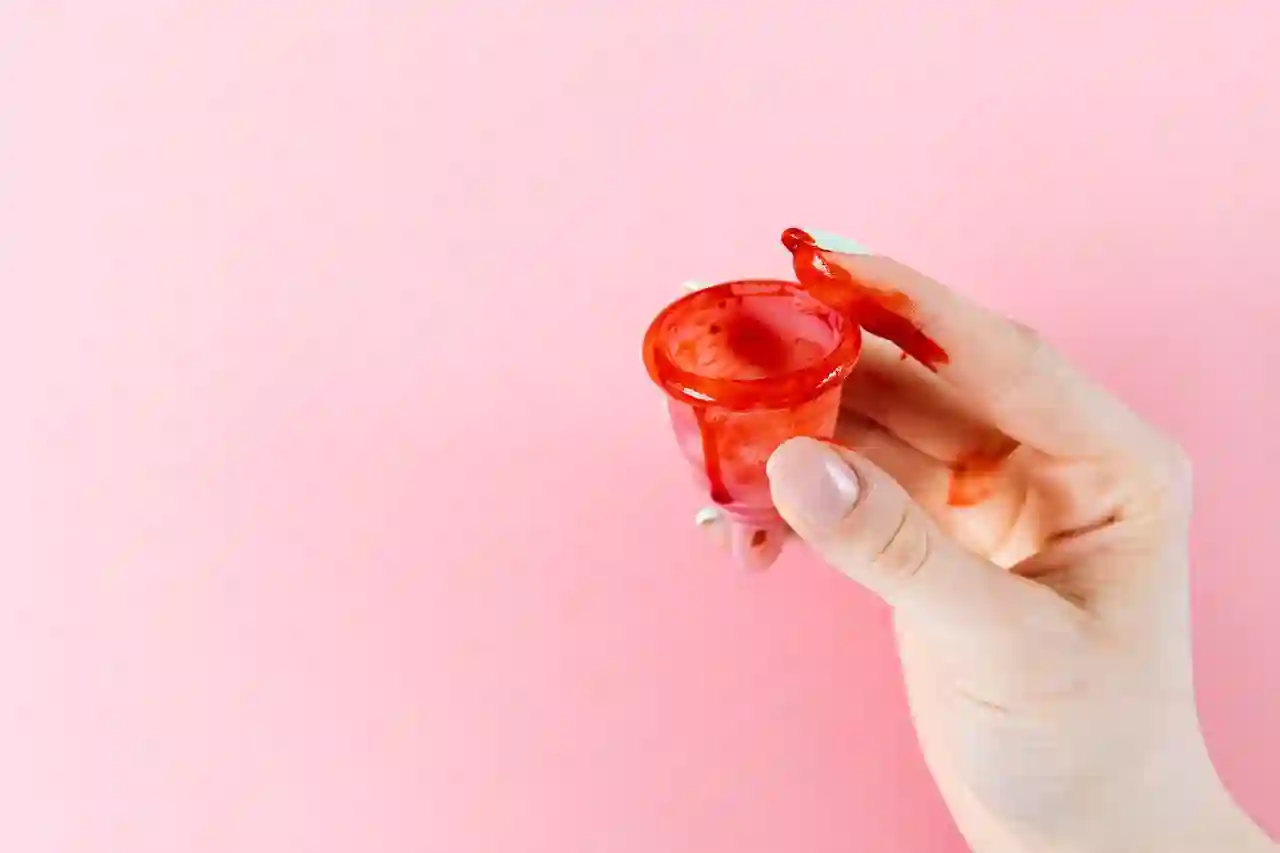

Menstrual cups are a popular period care option because they are reusable, eco friendly, and can hold more fluid than pads or tampons. But if your menstrual cup is leaking, it can feel frustrating and confusing especially if you thought you inserted it correctly. The good news is that menstrual cup leaks are usually caused by a few common issues, and most are easy to fix. If you’ve been asking, “Why is my menstrual cup leaking?” this guide will help you understand the reasons and how to stop leaks for good.
Common Reasons Your Menstrual Cup Is Leaking
1. The Cup Didn’t Fully Open
One of the most common causes of menstrual cup leaking is improper opening after insertion. If the cup stays folded or doesn’t create a proper seal, menstrual fluid can escape around it.
How to fix it
- Rotate the cup gently after insertion
- Run a clean finger around the base to check if it’s fully open
- Try different folding methods like the C-fold, punch down fold, or 7-fold
2. Incorrect Placement
Unlike tampons, menstrual cups sit lower in the vaginal canal. If your cup is inserted too high or too low, it may not seal properly.
Solution
- Make sure the cup sits below your cervix
- Relax your muscles during insertion
- Adjust the position until it feels secure and comfortable
3. Your Cervix Is Sitting Inside the Cup
Your cervix can change position during your cycle. If it sits inside the cup, it can reduce capacity and cause overflow sooner than expected.
What to do
- Check your cervix height during your period
- Consider a shorter or differently shaped cup if needed
- Empty your cup more often on heavy flow days
4. The Cup Is Too Full
Menstrual cups can hold more than tampons, but they still need regular emptying. Heavy periods may require emptying every 4–6 hours.
Tips
- Track how quickly your cup fills
- Empty more often on heavier days
- Use a higher capacity cup if necessary
5. Wrong Cup Size or Firmness
Not all menstrual cups fit every body. A cup that’s too small, too soft, or too firm may not work well for your anatomy.
Signs you may need a new cup
- Frequent leaks despite correct insertion
- Difficulty opening
- Constant discomfort
6. Residual Blood After Insertion
Sometimes what seems like leaking is actually leftover blood from before the cup was inserted.
Simple fix
- Wipe the vaginal area after insertion
- Give it time to confirm if it’s true leakage
How to Prevent Menstrual Cup Leaks
- Choose the right cup size
- Practice insertion techniques
- Check the seal every time
- Empty regularly
- Monitor your cervix position
- Stay patient while learning
When Leaking Is Normal
If you’re new to menstrual cups, some trial and error is completely normal. Many users need a few cycles to get comfortable with insertion and find the right fit.
When to Replace Your Menstrual Cup
You may need a different cup if.
- Leaks continue despite proper use
- Your flow has changed
- You’ve experienced childbirth
- Your pelvic floor muscles have changed
Final Thoughts
If your menstrual cup is leaking, don’t worry you’re not alone. Most leaks happen because of fit, placement, or seal issues, and small adjustments can make a big difference. With practice and the right cup, menstrual cups can provide reliable, leak free protection for up to 12 hours. Understanding your body and experimenting with techniques will help you get the best results and enjoy a more comfortable period experience.